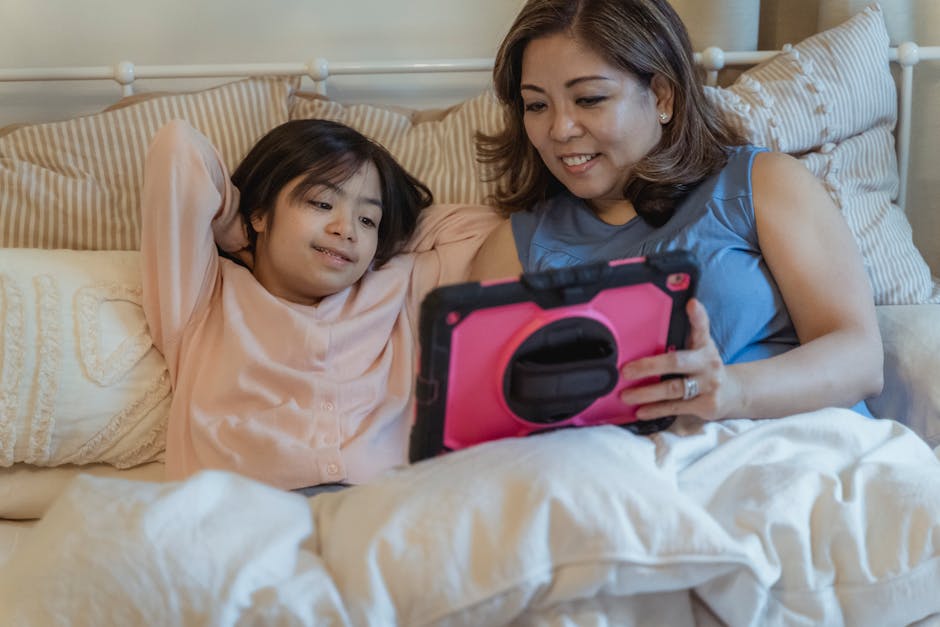
The Rise of Digital Parenting Culture
Scroll through any social platform and it’s clear: parenting lives online now. Instagram feeds are stacked with color coded toy bins, TikTok is packed with hourly toddler routines, and YouTube has become a second screen for both parents and their kids. Social media isn’t just documenting parenthood it’s actively shaping what it looks like.
Platforms have turned into parenting hubs by force and function. They offer quick answers, solidarity, and real time feedback. But they also set unspoken standards. What gets likes becomes a model. What goes viral becomes the new benchmark. As a result, expectations creep in silently from birthday party aesthetics to the “perfect” bedtime wind down playlist.
Influencers sit at the heart of this shift. Some share raw, unfiltered realities. Others curate polished feeds with brand worthy style. Either way, they shape the conversation. Their routines become templates. Their gear becomes the must have list. Their success becomes the silent scoreboard. There’s a balance to be struck but right now, the feed often speaks louder than the gut.
Perception vs. Reality: The Highlight Reel Effect
Picture Perfect but Misleading
Social media often showcases the best moments of parenting smiling babies, perfectly organized playrooms, and home cooked meals plated like artwork. While these curated posts can be inspiring, they rarely reflect the full picture of everyday family life.
Highly edited and filtered content sets unrealistic expectations
Struggles, mess, and imperfection are often left out
Followers are left comparing their behind the scenes to others’ highlights
The Comparison Trap
Parents frequently find themselves measuring their own experiences against the polished portrayals they see online. This ongoing comparison can fuel feelings of inadequacy, overwhelm, and guilt.
Increased anxiety about not doing “enough” or “doing it right”
Self worth intertwined with social validation (likes, comments, followers)
Mental exhaustion from performance based parenting
The Mixed Messages of Community Pressure
Online parenting spaces can be two things at once: incredibly supportive and deeply stressful. While many communities offer solidarity and actionable advice, there’s often an undercurrent of competition and judgment.
Positives:
Encouragement during difficult seasons
Accessible insights from diverse parenting voices
Validation of a parent’s lived experience
Challenges:
Fear of being judged for parenting choices
Pressure to conform to “ideal” parenting trends
Performance driven engagement that prioritizes image over honesty
Ultimately, while social media can create the illusion of connection and guidance, it also amplifies unrealistic ideals making it vital for parents to approach online content with a critical and compassionate mindset.
Shifting Behavior and Decision Making

Most parents don’t just parent from instinct anymore they parent from the feed. Morning routines are pulled from TikTok “day in the life” clips. Lunches mirror what’s trending on Pinterest boards and mommy vlog hauls. Discipline tactics, bedtime schedules, even the brand of cup used for potty training it’s all being shaped by the scroll.
Advice that used to come from pediatricians or paperbacks is now crowd sourced in Reddit threads, private Facebook groups, or 20 second Instagram Reels. And while some of it’s useful, the line between helpful and overwhelming isn’t always clear. These platforms offer a constant stream of opinions and “hacks” some rooted in science, others just dressed up in good lighting and confident delivery.
It’s changing the way families do everything. Food is more “clean” or more performative, depending on which side of the algorithm you’re on. Discipline leans gentle, firm, or somewhere in between depending on who went viral last week. And learning? It ranges from flashcards at age two to letting kids lead with zero structure. The map keeps changing and parents are adjusting course in real time.
What this shift boils down to is a growing trust in collective wisdom over credentialed advice. For better or worse, the village now lives online.
Algorithm Parenting: What We’re Shown Shapes What We Do
Parenting advice online isn’t neutral it’s curated by algorithms with invisible hands. Most platforms learn quickly what kind of content you pause on, click, or save. Before long, you’re in a parenting echo chamber where all the advice reinforces the same ideology. Gentle parenting. Hustle parenting. Montessori everything. Once you’re in a lane, the algorithm keeps feeding it back to you, louder each time.
The problem? It narrows the range of perspectives. It’s comforting to see others parent the way you do, but it also locks us into patterns. It’s easy to start thinking there’s only one “right” way to do bedtime, meals, or tantrum control. That kind of tunnel vision can be limiting, even isolating, especially when reality doesn’t match the online narrative.
Add to that a pretty subtle undercurrent: the content you get fed often nudges you toward purchases. There’s always a must have gadget, app, or subscription promising better sleep or more enriched learning. And because these things come wrapped in personal stories or influencer lifestyles, the line between advice and product pitch blurs fast.
Want more context on how tech is shaping parenting? Take a deeper look here: technology in parenting.
The Double Edged Sword of Support
Online parenting communities can feel like lifelines until they feel like courtrooms. One moment, you’re swapping toddler snack hacks with strangers at 2 a.m. The next, you’re side eyeing a comment thread where someone questions your parenting because you let your kid watch cartoons before breakfast. It’s a tightrope walk between feeling supported and feeling scrutinized.
At its best, digital community fills the gaps left by modern life: families dispersed, neighborhoods quiet, and expert advice buried behind paywalls. Message boards, Facebook groups, and Reddit threads give parents a place to feel seen, vent without filters, and get near instant advice. It can be raw, honest, and exactly what someone needs at the end of a rough day.
But there’s a flip side. Visibility can turn into performance. The more likes a post gets, the more curated parenting can become. Some parents start chasing approval or aesthetic over authenticity subtly shaping their choices around what “does well” online. The pressure to show the tidy version of a messy reality is real, and for some, that can erode the very connection these spaces promise.
The truth? Social media didn’t invent parenting pressure. But it did supercharge it. In the scroll, parents now absorb multiple versions of what “good” looks like everything from eco friendly lunches to Montessori playrooms and it’s easy to question if you’re falling behind.
The key is not to quit these spaces, but to use them wisely. Drop the performative instinct. Engage where it feels real, useful, and human. That’s where the actual support lives not in the likes, but in the conversations behind them.
The Future of Social Media and Parenting
The parenting content game is shifting less polish, more presence. In 2024, authenticity is the new currency. Parents are trading picture perfect posts for real talk on the chaos and contradictions of raising kids. Vulnerability is being embraced, not just tolerated. And as trust becomes more valuable than reach, creators are getting intentional about privacy. There’s a collective pullback on oversharing, especially when it comes to kids.
Platforms are starting to take note. Expect design tweaks on major apps that give users more control over what they share and who sees it. Anti algorithm movements are gaining traction parents want less curation, more connection. The future is cozier, with tighter circles and less performative pressure.
For parents who create or consume online content, the mindset has to shift too: use the feed as a tool, not a compass. It’s there to help, not to dictate your version of good parenting. Curate your inputs, question trends before adopting them, and above all, remember that your child’s needs can’t be crowd sourced.
For more in depth insights, check out technology in parenting.