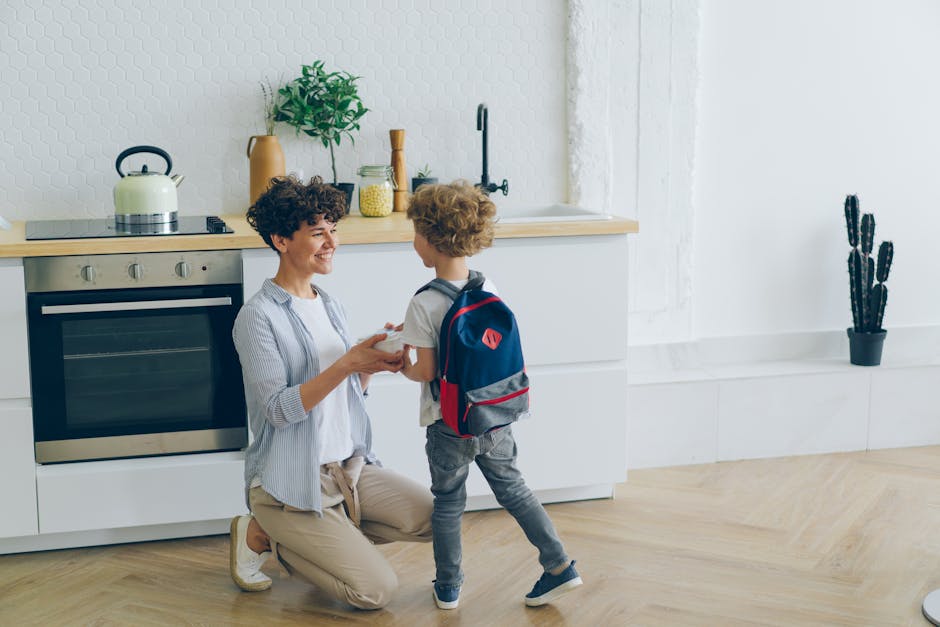
Why Mornings Make or Break the Day
When mornings start in chaos lost shoes, skipped breakfast, shouting matches it doesn’t just stay in the morning. That stress spreads. It’s in your kid’s backpack, their posture, the way they walk into the classroom. On the flip side, calm mornings don’t just feel good they create a buffer of mental space your child carries into the rest of their day.
Routines matter more than perfect timing. A simple, repeatable flow helps kids predict what’s next. That predictability builds emotional safety, and with that comes confidence. Children don’t just need to know where their socks are they need to know what to expect from the world as they walk out the door.
And yes, it starts with you. A parent’s tone, body language, even breathing kids pick it up like radar. If you’re rushed and frazzled, that becomes the energy of the household. Set a steady pace, model calm, and your kids will follow suit more often than not. It’s not magic. It’s atmosphere. You’re in charge of it whether you notice or not.
Start with a No Rush Wake Up
The first 15 30 minutes of a morning can make or break the rest of the day. Adding that buffer yes, even if it means setting your own alarm earlier gives everyone space to ease into the day without panic. It’s not about being hyper productive at sunrise; it’s about avoiding the emotional scramble that comes from hitting the ground running.
Swap the jarring alarm buzzer for something more human. Open the curtains and let in natural light, or play something soft and slow from a speaker. You’re not just waking a kid you’re setting the emotional tone for the whole house. Better still, skip the “time to get up!” command and go with something simple: a quick back rub, a sit on the edge of their bed, or a short cuddle if they’re into that. It’s not coddling. It’s connection.
Think of this as morning insurance. Start slow, stay steady, and everything that follows runs smoother.
Pre Plan Breakfast, Eliminate Decision Fatigue
Mornings move fast, and the last thing anyone needs is a debate over breakfast. By reducing choices and prepping ahead, you set the day off on a smoother note for everyone involved.
Keep Breakfast Simple with a Rotation
Instead of reinventing breakfast daily, streamline your options:
Choose 3 5 nutritious, crowd pleasing meals everyone enjoys
Examples: overnight oats, yogurt parfaits, scrambled eggs with toast, smoothie bowls, and whole grain muffins
Save variations (like fruit or toppings) for a hint of flexibility
Make Prep a Team Effort
Kids who help make their meals are more likely to eat them and feel a sense of independence.
Chop fruit or prep dry ingredients together the night before
Let little ones stir, scoop, or help portion ingredients
Assign mini “prep roles” in the evening to save time in the morning
Bento Boxes = Stress Free Mornings
Consider using bento style containers to portion out ready to go breakfasts.
Great for mornings with limited time or car rides to school
Fits everything from mini pancakes and fruit to hard boiled eggs and granola
Visual variety in a bento box can also spark a kid’s interest in eating a balanced meal
When breakfast is already handled, you’ll free up energy and time for connection not conflict.
Dress for Success the Night Before
Outfit battles at 7 a.m. don’t help anyone. Instead, handle clothing choices the night before and yes, even tweens and teens can get in on this. Lay out clothes together with your child. They get a say, you avoid morning resistance, and everyone wins.
Take it a step further with outfit planning bins for the week. Line up five go to combos on Sunday. That way, mornings turn into simple grab and go moments, not debates over socks or hoodies.
Also: always have a backup fit ready because spilled oatmeal, surprise moods, and sudden weather shifts are real. One small prep step can save ten stressful minutes tomorrow. Multiply that by five days, and your whole week just got quieter.
Make Mornings Predictable with Visual Schedules

Kids thrive on structure they can see and touch. For preschoolers, checklists with fun, easy to recognize icons (think toothbrush, shirt, cereal bowl) make routines feel like a game instead of a drill. Tape them on the fridge or bathroom mirror so they’re part of the flow, not an extra thing to remember.
Older kids? Go for wall charts, magnets, or whiteboards with clear time blocks. Think: “7:30 7:45: Get dressed. 7:45 8:00: Eat breakfast.” It reduces questions, arguments, and that glazed over morning stare.
And whatever the format, let your child check off each task themselves. Ownership builds rhythm. Rhythm builds calm. That’s the goal.
Add Micro Moments of Calm
Right before everything shifts into high gear, carve out two minutes for something simple and grounding. A full family stretch, a quick breathing game, or even just jumping in place can reset everyone no equipment, no expertise, just movement and breath. It’s not about exercise. It’s about connection and slowing the mental spin.
Next, bring in a scent. Lavender works, but so does eucalyptus or orange anything soothing and consistent. Over time, this small ritual signals “school prep mode” the same way a bell starts recess. It sets the tone without needing words.
Keep conversation during this time light and low pressure. Avoid big plans, corrections, or tense reminders. No surprise life talks. Just presence. Ask about dreams, what’s for lunch, or a fun fact you saw online. Think casual, not critical. The idea is simple: create a soft landing before the launch.
Bonus Tip: Prep Yourself First
Before the day kicks off and the house comes alive, carve out 10 15 minutes just for you. This time is untouchable. It’s not selfish it’s strategy. Whether you sip coffee in the quiet, jot a few thoughts in a journal, or sit doing absolutely nothing, the point is simple: center yourself before jumping into everyone else’s needs.
No one functions well when they’re launching from zero. Giving yourself this buffer helps you show up with more patience, clarity, and control. It’s about protecting your bandwidth because kids feel your energy before you say a word.
You don’t need a perfect ritual. Just something that isn’t reactive. Something that fills your tank. And remember, how you start sets the tone for everything else.
(For more family balance suggestions, check out our work life balance guide)
Keep It Consistent, Not Perfect
Every parent knows this truth: no two mornings look the same. Someone spills cereal. Socks go missing. A meltdown over toast shape happens. It’s normal. That’s why the best morning routines aren’t rigid they’re resilient. Flexibility isn’t failing; it’s smart adaptation.
Routines aren’t about controlling every second. They’re about removing friction. Done well, they build ease into the start of everyone’s day. They reduce decisions, lower emotional spikes, and create momentum without you having to bark orders or glance at the clock every two minutes.
And what works today might need a tiny tweak tomorrow. That’s okay. A small shift like moving breakfast to the table instead of the kitchen counter, or swapping the wake up music can quietly reset the tone.
Aim for rhythm, not perfection. Your mornings won’t win awards. But what matters is that they get your family out the door a little calmer, a little more connected. That’s the win.