What Parents Are Really Looking For
Let’s be honest: no parent buys a carrier thinking about runway looks. At first, it’s all about daily survival getting your hands free while keeping your baby close. That’s the practical, in and out of the house kind of use parents need in the newborn stage: something quick to put on, soft enough for skin to skin, and easy to get off when diaper disasters strike. Comfort matters, yes but the real MVP is simplicity.
Fast forward a few months, and your parenting priorities start to shift. Your baby gets heavier, naps get shorter, outings get longer. Suddenly, that ultra cozy wrap that made sense at 8 pounds feels like a sweat trap at 18. Now you’re weighing all day support, stiffness in your shoulders, how many buckles you can adjust one handed, and whether it holds up after multiple washes. At this point, function starts to edge out style.
And about style it’s nice to like how a carrier looks, but it shouldn’t be the dealbreaker. Minimalist prints or sleek designs might catch your eye, but if the carrier digs into your back or takes ten minutes to figure out, that cool factor fades fast. Some products promise fashion forward design but skip on real world usability. Others may look bulkier but win over parents with how pain free and versatile they feel after a week’s use.
Bottom line? What parents really want shifts over time. You start with emotion closeness, bonding, cuddles. You stay because your carrier earns its place in your everyday routine. And that means choosing flexibility, not just flair.
Key Types of Infant Carriers
There’s no universal winner when it comes to babywearing what works for one family might be a dealbreaker for another. Still, most carriers fall into a few main categories, each with its own set of strengths and limitations.
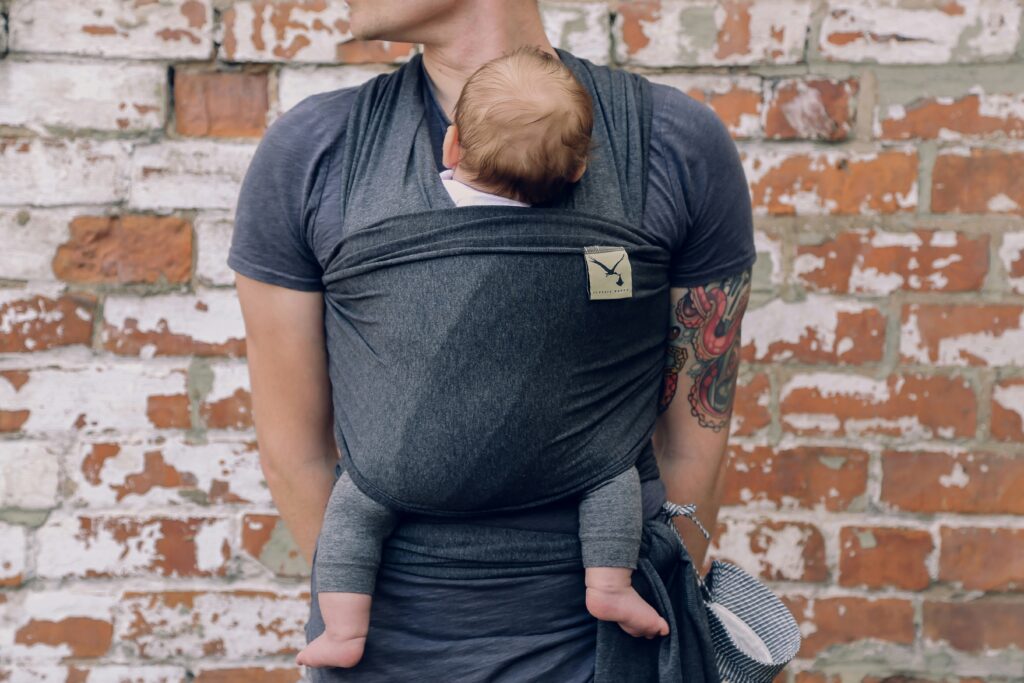
Wraps are the go to for skin to skin bonding and early newborn stages. They’re soft, fabric only designs that mold to your body and your baby’s, creating a custom fit every time. But there’s a learning curve. Wrapping can feel like folding a tent blindfolded until you get the hang of it. Great for intimacy, but less ideal on the fly.
Soft structured carriers (SSCs) are the ergonomic workhorses. Buckles, padded straps, lumbar support if the wrap is for nesting, SSCs are for movement. They grow with your baby (many fit from newborn up to toddler) and shift easily between wearers. Think hiking trails, airport terminals, or just grabbing groceries solo.
Slings and hybrids split the difference. Slings are quick to throw on, especially for short errands or holding fussy babies at home. Hybrids give you some of that wrap feel with less commitment soft but with enough structure to help distribute weight.
When it comes to trusted brands, it depends on your parenting style. Solly Baby and Boba Wrap lead in soft wraps for the early months. Ergobaby, Tula, and BabyBjörn dominate in the SSC department for ergonomic design and durability. WildBird and Moby Ring Slings earn praise for clean aesthetics and ease of use during the infant stage. Minimalist? Go with streamlined carriers like the Nest Designs Hybrid. More into urban style meets form? Artipoppe carriers are built for fashion forward parents who also need spinal support.
Bottom line: match the carrier to your lifestyle not the other way around.
Comfort: The Non Negotiable Factor
Comfort isn’t a luxury when it comes to baby carriers it’s the deal breaker. The first key is how the carrier distributes weight. Good design shifts the baby’s weight across your hips, back, and shoulders evenly. If all the pressure hits your upper back or one shoulder, you’ll feel it fast. Poor weight distribution leads to aches, muscle fatigue, and eventually that carrier collecting dust in a closet.
Next is how your baby sits. A proper seat supports the thighs and keeps knees above the bum in an “M” shape that’s what pediatricians and hip health experts recommend. It prevents stress on developing joints and avoids the problems that come with carriers where babies dangle from the crotch, which puts pressure where it shouldn’t be.
Last, it has to breathe. If you live somewhere hot or plan to wear the carrier year round, fabric choice matters. Think lightweight mesh for summer, soft organic cotton for cooler months, and blends that wick moisture if you’re the sweaty type (no shame, it happens). The wrong fabric turns a ten minute walk into a sticky, frustrated mess. Right carrier? Feels like an extension of your body. Wrong one? You won’t make it past your front door.
Functionality in Real Life

When it comes to infant carriers, functionality goes far beyond just design and style. Parents often in high stress, fast paced moments need solutions that work right now, without extra steps or frustration. This section breaks down the key features that make a difference in daily parenting routines.
Solo Parenting Friendly
Whether you’re running errands, packing the car, or just trying to get through a grocery store, many parents find themselves alone with their baby. In those moments, simplicity matters.
One person setup: Can you get your baby secured without help?
Front clips or buckles you can snap solo
Clear visual guides or color coding features to reduce user error
Storage & Nap Friendly Design
You’ll never appreciate a smart pocket system more than when you’re trying to find a pacifier mid meltdown. And let’s not forget the holy grail of functionality: transferring a sleeping baby without waking them up.
Built in pockets for quick access to wipes, keys, or small toys
Minimal shifting or noise when removing the carrier
Wide waist bands that don’t dig while sitting or bending
Built to Last and Easy to Clean
Real life is messy and baby gear has to keep up. Wipeable materials are helpful, but machine washable carriers can be a game changer for busy parents.
Machine washable fabric (preferably cold wash, low dry)
Fabric that holds up to frequent cleaning without losing shape or softness
Neutral colors that resist visible stains over time
Daily Transitions Made Easier
Adjustable features can turn a good carrier into a perfect fit. Carriers that accommodate different body types and growing babies with minimal readjustment save time and minimize hassle.
Multiple strap adjustment points (shoulders, waist, chest) for precision fit
Buckles and snaps that don’t pinch or trap fabric
Easily shift between wearers without a complete reconfiguration
Parents need more than just a trendy carrier they need real world usability. When a product performs well in unplanned, everyday situations, that’s the definition of functional success.
Popular Picks That Balance Both
Some carriers just do the job better. If you’re hunting for the sweet spot between comfort and function, a few models keep rising to the top. The Ergobaby Omni 360 continues to rack up praise for its weight distribution and ease of adjustment especially for taller parents or those juggling a growing toddler. The BabyBjörn Harmony delivers solid back support and wins points in the breathability category, making it a strong pick for summer months or longer wear. For minimalist fans, the Tula Explore scores on both ease of use and aesthetic without sacrificing support.
Real parents in side by side reviews echo the same themes: quick adjustments matter, padded straps save shoulders, and any carrier that turns into a wrestling match automatically gets demoted. Parents of newborns often praise carriers with internal infant inserts, while those with toddlers prefer models that offer hip support and back carrying options.
As for what to skip? Carriers that lack lumbar support are consistently knocked in reviews back pain is a dealbreaker. Others lose points for overheating in warmer weather or for stiff buckles that make solo wear tough. Over complicated wrap designs or carriers with confusing adjustments don’t survive real world testing. Practicality always wins.
Bottom line: the best carriers nail ergonomics, are ready for real life messes, and don’t make you sweat literally or figuratively.
Beyond Carriers: Smart Parenting Gear
A good carrier is just the start. If you’re hauling a baby around, you’ll quickly realize carriers work best when paired with the right gear. Think diaper bags designed for one handed access, lightweight travel strollers for when the carrier isn’t cutting it, and compact changing pads that don’t take up half your trunk space.
Look for diaper bags that don’t scream “diaper bag.” Modular compartments, bottle insulation, and easy to clean materials go a long way. For strollers, the focus is on collapsibility without compromising on wheels or storage.
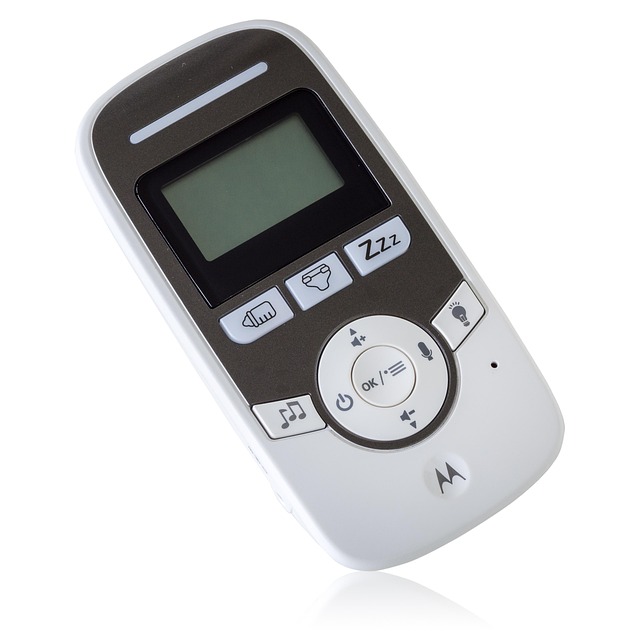
And don’t forget if you’re researching carriers, odds are you’ll want peace of mind when your baby naps. That’s where a solid baby monitor comes in handy. We’ve rounded up some of the best baby monitors worth checking out. Whether you’re stepping out for a minute or catching your own nap, knowing your baby’s safe gives you breathing room.
Parenting on the move takes gear that works not just gear that looks good. Match your carrier to tools that support your lifestyle, or risk carrying more stress than you need.
Final Take: What Matters Most
Let’s be honest there’s no such thing as the perfect baby carrier. What works for one parent baby duo might be a total flop for another. That’s why hands on testing matters. Strap it on, walk around, try it with a fussy baby. Don’t just go by the reviews your shoulder fatigue and your baby’s comfort are the real test.
When choosing, zone in on your top three deal breakers. Is it ease of use when flying solo? All day comfort on your back? Long term value as your baby grows? Prioritize based on your lifestyle, not just features.
And quality? Don’t cut corners. Cheap buckles break. Weak straps dig in. Synthetics that don’t breathe turn into sweaty regrets. A solid, well constructed carrier costs more now but saves you from aches, hassles, and replacements later. Your back (and baby) will thank you.