Why Consistency Beats Perfection
Wellness isn’t built in a day it’s built in dozens of little moments that most people overlook. A five minute stretch before dinner, a glass of water before coffee, a short walk after breakfast. That’s where the real magic happens. Small habits done regularly stack the wins, and over time, they become the norm. No drama. No streaks to chase. Just quiet progress.
The biggest trap? All or nothing thinking. Miss a day, and it’s tempting to call the whole week a failure. Don’t. One off day doesn’t cancel out the rest. Tough mornings, skipped meals, tired evenings they’re part of life. The key is showing up the next day like nothing happened. Momentum thrives on getting back up, not staying perfect.
Here’s the shift worth making: treat wellness as a rhythm, not a to do list. Instead of aiming for a flawless routine, aim for one that fits your real life. One that flexes, breathes, and keeps showing up. That’s how routines stick not through pressure, but through rhythm.
Building Blocks of a Balanced Routine
Let’s get one thing straight: consistency beats complexity. When it comes to wellness, most families don’t need a wellness bootcamp they need simple, repeatable habits they can actually stick with. Here’s how that plays out in the key areas:
Movement
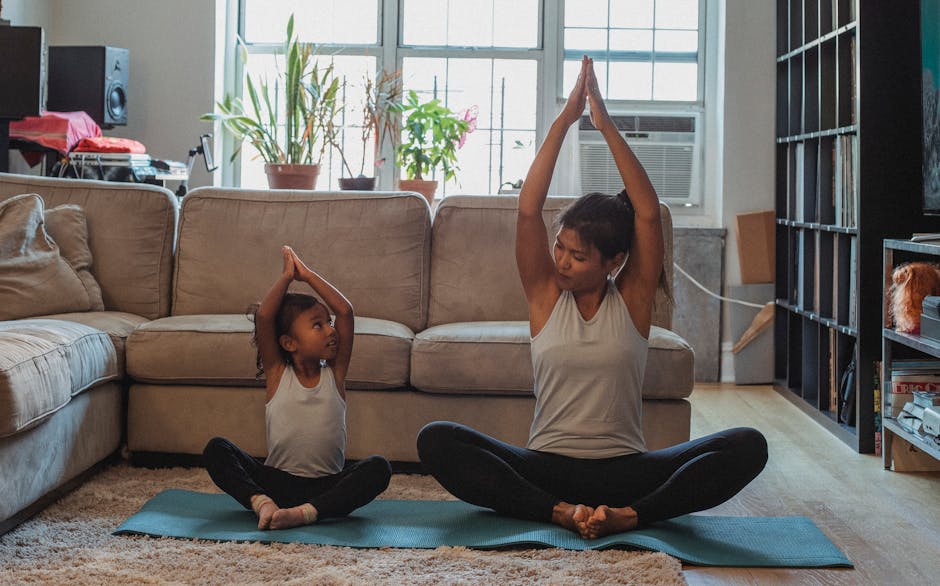
You don’t have to hit the gym five days a week to be active. Walking the dog, dancing in the kitchen, a quick evening stretch they all count. Structured workouts are great if they fit, but don’t underestimate the power of daily movement woven into real life. The goal isn’t to crush a workout. It’s to move, period.
Nutrition
Forget fad diets or color coded meal plans. Real food, cooked simply, and eaten together around a table is good enough. Think batch prepped roasted veggies, protein you can toss in anything, and family style meals where everyone eats (mostly) the same thing. The less complicated it is, the more likely it happens.
Sleep
Sleep routines require boundaries and buy in. That means setting screens down early, syncing bedtimes when possible, and keeping evenings calm. A solid nighttime rhythm helps everyone reset. It’s not about perfection. It’s about stacking enough good nights to recharge the whole crew.
Emotional Check ins
You don’t need a PhD in psychology to support your family’s mental health. Small moments matter. Check in with each other at dinner, in the car, before bed. Use tools like mood charts or journaling apps if they help. The key is creating space to talk, feel, and process without pressure.
Build with what works. Toss what doesn’t. Keep it steady. Keep it simple.
Making It a Team Effort
You want a family wellness routine that doesn’t fizzle out by midweek? Start by giving everyone a voice especially the kids. When children help choose the goals, they’re more likely to stick with them. Ask them what they want more of: bike rides, veggie taste tests, yoga challenges before dinner? Their ideas might surprise you and get everyone on board faster.
From there, set one or two wellness goals as a family. Keep it tight. Maybe it’s walking together after dinner three nights a week or adding a no phone wind down hour before bed. Whatever the goal, make sure it means something to the group, not just the adults. Shared goals build unity, plain and simple.
Lastly, don’t skip the wins. Every week, take a few minutes to call out what worked who remembered to stretch, who helped with healthy meals, who just showed up when it counted. Small celebrations reinforce big habits. It’s not about trophies. It’s about building pride and momentum.
Ideas That Make It Fun (and Sustainable)

Getting the whole family moving doesn’t need to feel like a chore. Sometimes it’s about sneaking in movement without calling it a workout. Think hallway bowling, living room dance offs, jump rope contests in the driveway, or setting up an obstacle course in the yard. Indoors or out, the goal isn’t sweat it’s movement that sticks.
Rotating wellness roles keeps everyone engaged. One day your youngest is the playlist DJ setting the workout mood. Another day, your teen leads a stretch break. Everyone gets a shot at being the smoothie maker after a bike ride. These small shifts mix it up, build investment, and keep things from going stale.
Then there’s the “Sunday reset hour” part pause, part prep. It’s a no screens zone for getting ready mentally and physically for the week ahead. Fill snack bins, prep a few meals, sync calendars, or just lay out sneakers. Bonus points for checking in on goals or asking a simple question: what’s one thing we want to feel this week?
For more inspiration on getting creative with movement, check out these great family fitness ideas.
Tech That Helps, Not Hurts
Technology can be a powerful sidekick when you’re building a family wellness routine as long as it stays in its lane. The best apps don’t nag, guilt, or push rigid goals. They track progress softly in the background, offer useful insights, and give gentle nudges when needed. Look for tools that prioritize streaks, small wins, or customizable reminders. Apps like Habitica or Streaks tend to work well for families looking for a little structure without the stress.
Then there’s the motivation side. Step challenges can spur competition but the fun kind. Set up weekly family contests (kids vs. parents, or everyone for a common goal). And if screen time’s an issue, consider swapping it out with activity time tokens or earn back systems tied to wellness wins. No shaming, no bans. Just balanced swaps that everyone understands.
Accountability needs to be encouraging, especially for younger kids. Daily check in charts or “wellness buddies” can help kids take ownership without feeling policed. The goal isn’t perfection it’s building habits that feel good to come back to, even after a chaotic week. Keep it light, keep it flexible, and focus on progress over rules.
When Routines Go Off the Rails
Some weeks, things fall apart. Someone gets sick, schedules get stuffed, or moods just dip and that’s normal. If one family member isn’t feeling it, forcing the routine usually backfires. Instead, give them space, offer a gentler alternative, or shift focus to something low key like a walk or chatting over a smoothie. The goal isn’t perfection it’s connection.
Off weeks? Shrug them off. Missing a few workouts or swap outs doesn’t erase progress. What matters is how you reset. Start small. Pick one habit, say “no phones at dinner,” and rebuild from there. Guilt free resets are how real routines survive.
And don’t forget: routines can and should flex with life. Summer break will look different than the school year grind. Routine isn’t a straight line; it curves with birthdays, stress, vacations all the real life stuff. Adjust on purpose, not with apology. That keeps the wellness mindset strong, even when the calendar’s a mess.
Keep It Growing, Keep It Real
A routine isn’t a contract carved in stone it’s a draft. Sit down as a family once a month and take a hard but kind look at what’s working and what’s dragging. Maybe mornings are chaos, or no one’s feeling the Wednesday yoga. That’s not failure. That’s feedback.
Let your strategy evolve. Kids grow. Work shifts. Energy changes. What fit in May might flop come August. The goal isn’t to chase perfection it’s to build something durable, something you can flex without snapping.
The truth is simple: long term wins come from short term consistency. Show up most days. Do what you can. Adjust when needed. That’s the real fitness routine. Start small. Keep moving. Repeat.
Looking for quick, energizing workout ideas that everyone will enjoy? Don’t miss these family fitness ideas.