
Aesthetic visuals can make or break your content. It’s that simple.
Many creators struggle with making their content visually appealing. This leads to lower engagement and impact.
You might be thinking, “Why should I care?” Well, because visuals are the first thing people notice. They can draw someone in or turn them away.
This article is backed by extensive research and practical insights from industry experts. You can trust what you’re reading here.
We’ll provide actionable tips and strategies to create dark:ih71b_rxy_k= imagenes aesthetic and engaging content. Let’s dive in.
Understanding Aesthetic Visuals: The Basics
What are aesthetic visuals and why are they important?
Aesthetic visuals are all about making things look good. They’re not just pretty pictures; they can make or break how people perceive your content.
Impact on Engagement: How visual aesthetics influence user behavior and content performance.
Good aesthetics can grab attention and keep it. Think about it—would you rather read a blog with dull, blurry images or one with crisp, engaging photos? Exactly.
A well-designed post can boost engagement, leading to more shares, likes, and comments.
Key Elements: Color, composition, typography, and imagery.
- Color: The right colors can set the mood. For example, blue is calming, while red is energizing.
- Composition: How elements are arranged matters. A balanced layout feels more professional and inviting.
- Typography: Font choice and size can affect readability and style. Clean, simple fonts are usually best for most content.
- Imagery: High-quality, relevant images (like dark:ih71b_rxy_k= imagenes aesthetic) can make your content stand out and connect with your audience.
When you compare a post with poor aesthetics to one that’s well-crafted, the difference is clear. One looks amateurish, while the other looks polished and trustworthy.
So, if you want your content to stand out and engage your audience, pay attention to these key elements.
Choosing the Right Colors for Your Visuals
Color is a powerful tool, and it can make or break your visuals. Understanding color theory is key.
Colors have psychological effects. Red can evoke excitement, while blue feels calm. Think about the emotions you want to convey.
Brand consistency is crucial, and your colors should match your brand identity. This builds trust and recognition.
Use a limited palette, and too many colors can confuse your audience. Stick to 2-3 main colors and a few accents.
Tools like Adobe Color and Coolors are great. They help you pick and manage color schemes. (Pro tip: Save your palettes for easy access.)
Dark:ih71b_rxy_k= imagenes aesthetic. This can set the mood for your visuals.
Test your colors in different contexts. What looks good on a screen might not work in print. Always do a test run.
Remember, color is personal. What works for one brand might not work for another. Trust your gut and stay true to your vision.
Mastering Composition and Layout
The rule of thirds is a classic technique. It’s simple but powerful. Imagine dividing your frame into a 3×3 grid.
Place key elements along these lines or at their intersections. This creates a balanced and visually pleasing composition.
Symmetry can be striking, and it works well for formal, structured images. But sometimes, symmetry can feel too perfect, almost boring.
That’s when asymmetry comes in. Breaking the symmetry adds DYNAMIC ENERGY to your visuals. It makes them more interesting and engaging.
Focal points are crucial. They guide the viewer’s eye to the most important parts of your image. Use contrast, color, and placement to create these focal points.
Dark:ih71b_rxy_k= imagenes aesthetic can help you achieve this by highlighting key elements and making them stand out.
Remember, rules are meant to be broken, and experiment with different compositions. See what works best for your vision.
Typography and Text Integration
Font Selection: Choosing the right fonts to complement your visuals and enhance readability. It’s more than just picking something that looks nice; it’s about making sure the text is easy on the eyes.
Text Placement: Best practices for integrating text into your designs without overwhelming the visuals. (You don’t want your text to fight with your images, right?)
Hierarchy: Using size, weight, and color to create a clear visual hierarchy. This helps guide the reader’s eye and makes your message stand out.
When it comes to font selection, go for simplicity. Clean, sans-serif fonts like Arial or Helvetica are great for most projects. They’re easy to read and don’t distract from the content.
Text Placement
Place your text in areas where it naturally fits. Avoid cluttering the space. Think of it as a conversation between your visuals and your words.
One should complement the other, not compete.
Hierarchy
Creating a visual hierarchy is key. Use larger, bolder fonts for headings and smaller, lighter fonts for body text. This distinction helps readers quickly understand the structure of your content.
Color can also play a role, and but be careful. Too many colors can confuse the reader.
Stick to a simple, consistent color scheme.
dark:ih71b_rxy_k= imagenes aesthetic
Integrating text and visuals effectively is an art. It takes practice, but the results are worth it. Your designs will look more professional and engaging.
Pro tip: Always test your designs with different audiences. What works for one group might not work for another.
If you’re looking to improve your family’s overall health, consider smart meal planning healthier family diet. Good design and smart planning go hand in hand.
Using High-Quality Imagery and Graphics
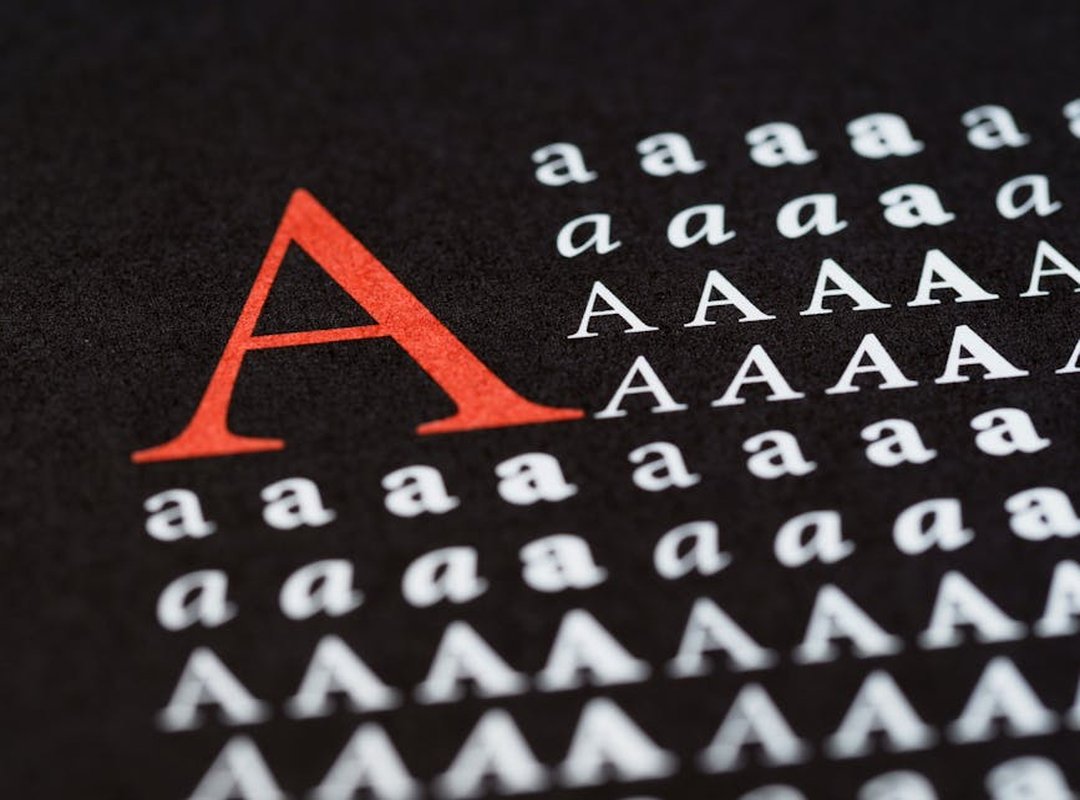
Finding the right images can make or break your content. Dark:ih71b_rxy_k= imagenes aesthetic is a great style to aim for.
You need high-quality, royalty-free images, and try sites like Unsplash or Pexels. They have a wide range of photos that are free to use.
Editing is key. Simple tools like Canva or Adobe Spark can help you enhance and customize your visuals.
Adjust the brightness, crop, and add filters, and small tweaks can make a big difference.
Consistency is crucial. Use the same color schemes and fonts across all your visuals. It helps build a strong brand identity.
Think about it. When was the last time you saw a professional-looking site with mismatched graphics? Exactly.
Creating Engaging Social Media Visuals
Creating visuals that stand out on social media isn’t just about making something pretty. It’s about connecting with your audience and telling a story. Let’s dive into some platform-specific tips, storytelling techniques, and interactive elements.
Platform-Specific Tips
Instagram loves vibrant, eye-catching images. Use high-quality photos and play with filters to make your posts pop. Twitter, on the other hand, is all about quick, impactful content.
Keep your visuals simple and to the point. Facebook is a bit more versatile. You can use longer captions and mix in both photos and videos.
Storytelling
Visuals are a powerful way to tell a story. Think about what you want to convey and how you can do it through images. For example, a series of photos showing a day in the life of a busy mom can be more engaging than a single, static image.
(It’s like showing, not telling, but with pictures.)
Interactive Elements
Adding interactive elements like polls, quizzes, and stickers can boost engagement. A study by Hootsuite found that posts with interactive elements see up to 20% higher engagement rates. Polls, for instance, can spark conversations and give you insights into what your audience thinks.
dark:ih71b_rxy_k= imagenes aesthetic
Interactive elements make your content more fun and relatable. They encourage your audience to spend more time on your posts, which can lead to more shares and comments. So, don’t be afraid to get creative and experiment with different types of interactive content.
Elevate Your Content with Aesthetic Visuals
Intent Reinforcement: Recap the importance of aesthetic visuals in creating engaging and impactful content.
Visuals are a powerful tool for capturing attention and conveying messages effectively. They can transform ordinary content into something memorable and shareable.
The Solution: Summarize the key takeaways and actionable steps to improve your visual content.
Understand your brand’s aesthetic and choose colors, fonts, and styles that align with it. Use high-quality images and graphics, and keep your designs simple and uncluttered.
Final Thought: Encourage readers to experiment and continuously refine their visual design skills.
Experiment with different design elements. Continuously seek feedback and refine your approach. dark:ih71b_rxy_k= imagenes aesthetic can inspire new ideas and directions.