Supporting Your Child Through Emotional Milestones
Understanding Emotional Milestones by Age Emotional development isn’t something kids wake up with one day it builds slowly, and often quietly. Toddlers start by expressing needs mostly through behavior. You’ll see lots of big feelings and few words. By preschool, emotions get names. Kids may say things like “I’m mad” or “That’s not fair,” even

Reducing Stress And Anxiety In Children Naturally
Understanding Where Stress Starts Childhood stress often goes unnoticed until it starts to affect behavior, focus, or physical health. But stress in kids is real and it rarely comes from just one source. By learning to spot the common stressors and early signs of anxiety, parents and caregivers can step in early, offering support before

Comparing Popular Infant Carriers: Comfort Vs Function
What Parents Are Really Looking For Let’s be honest: no parent buys a carrier thinking about runway looks. At first, it’s all about daily survival getting your hands free while keeping your baby close. That’s the practical, in and out of the house kind of use parents need in the newborn stage: something quick to

Weekly Parenting News: Latest Trends and Studies
Quick Look: Why Staying Informed Matters Parenting isn’t what it was five years ago—or even five months ago. Between constant research updates, new tech, and waves of social advice, it’s easy to feel out of step. What used to be a solid strategy might now be outdated. And while your instincts matter, keeping up with

Creating a Balanced Family Meal Plan
Why Meal Planning Matters (And Why Most People Skip It) Every day around 5 p.m., the same question creeps in: “What’s for dinner?” It’s low-key stressful. You’re hungry, the kids are louder than usual, and the fridge has half a bell pepper, an expired yogurt, and last night’s regrets. That last-minute scramble isn’t just draining—it’s

Comparing Popular Brands of Baby Carriers
Why Choosing the Right Baby Carrier Matters A good baby carrier isn’t about frills—it’s about function. At its core, it should support your baby’s natural position: knees higher than bottom, hips spread, back rounded. That positioning supports healthy joint development and reduces the risk of hip dysplasia. The right carrier cradles the baby close, secure,
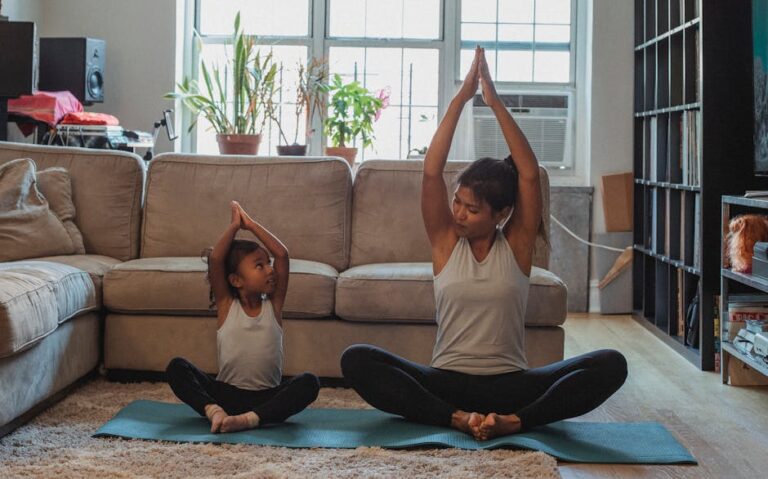
Creating A Weekly Family Wellness Routine That Sticks

How To Recognize Early Signs Of Developmental Delays