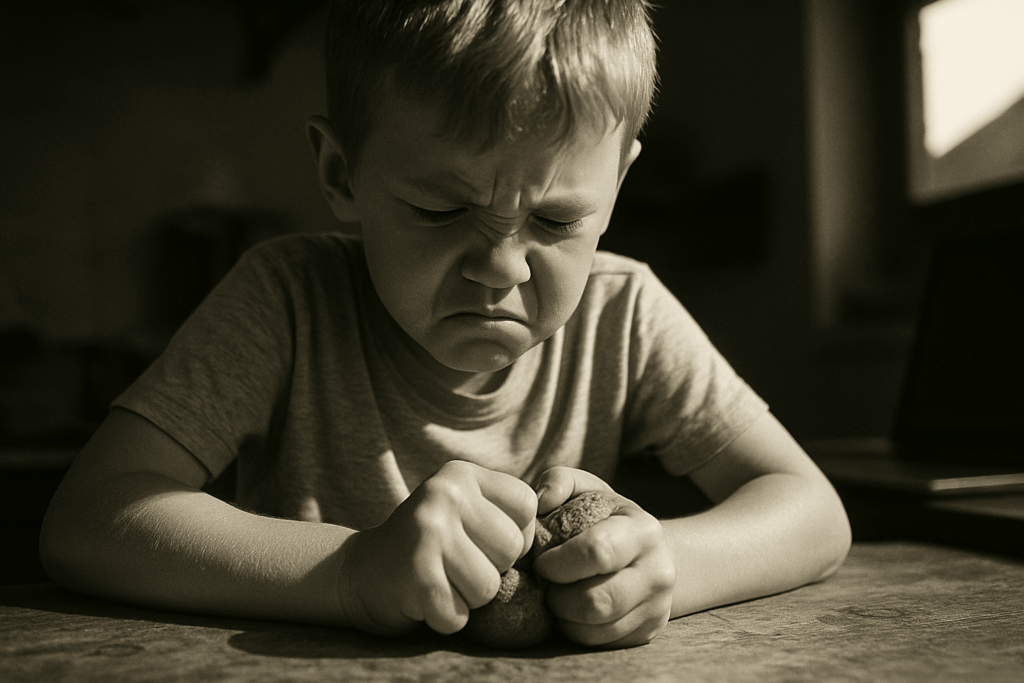
Understanding Where Stress Starts
Childhood stress often goes unnoticed until it starts to affect behavior, focus, or physical health. But stress in kids is real and it rarely comes from just one source. By learning to spot the common stressors and early signs of anxiety, parents and caregivers can step in early, offering support before small worries grow into bigger problems.
Common Stress Triggers in Children
Children today face a variety of stressors, many of which weren’t as prevalent in past generations. Some of the most common include:
School Pressure: From grades and standardized tests to social dynamics and performance anxiety, the classroom can be a major source of daily stress.
Screen Time Overload: Constant digital stimulation, online comparison, and exposure to unsettling content can leave kids mentally drained and anxious.
Overscheduling: Too many extracurriculars and tightly packed routines leave little room for rest or free play, which are essential for emotional balance.
Recognizing Early Signs of Anxiety
Kids don’t always verbalize when something feels wrong. Instead, anxiety often looks like behavioral changes or physical complaints. Watch for:
Trouble sleeping or frequent nightmares
Increased irritability or emotional outbursts
Headaches or stomachaches without a clear cause
Avoidance of school or social situations
Sudden changes in appetite or energy levels
Noticing these early signs creates an opportunity for gentle intervention before stress escalates.
It’s Not “Just a Phase”
It’s tempting to dismiss a child’s stress as a normal part of growing up but chronic stress can have long term impacts on emotional development, learning, and even physical health.
Acknowledging that kids face real stress helps validate their feelings and open the door to healthier coping strategies early on. The goal isn’t to eliminate all stress but to help kids build confidence in managing it.
Daily rhythms are a quiet kind of medicine for kids. When they know what to expect when meals happen, when it’s time to wind down, even who picks them up from school it helps their nervous systems stay grounded. They don’t have to constantly recalibrate. That frees up energy for focus, play, and calm. This isn’t about rigid schedules. It’s about predictable patterns that give kids the message: you’re safe.
Movement matters too. Kids weren’t built to sit still for hours. Their brains depend on physical activity to regulate emotions, burn off adrenaline, and reset attention. Even ten minutes of movement whether it’s riding a bike, jumping on a trampoline, or just chasing the dog can settle an anxious body. Best part? It doesn’t need to be sports or structured. Just let them move.
Then there’s food the often overlooked player. Spikes and crashes in blood sugar can mimic or worsen stress signals. A breakfast full of syrup and cereal might look harmless, but it’s setting them up for a mood rollercoaster. More stable choices think protein, fiber, and healthy fats help keep energy and emotions steady. Sometimes cutting one extra juice box can make a real dent in the afternoon crankiness.
Put simply: routine, movement, and mindful food aren’t fancy tools. They’re manageable, natural ways parents can help dial down stress in kids and keep it from piling up.
Nature’s Role in Calming Kids
Getting outside isn’t just good advice it’s biology. Time in green spaces has been shown to lower cortisol, the body’s primary stress hormone. For kids, that can translate to better moods, fewer meltdowns, and overall calmer behavior. You don’t need a national park out your back door. A local park, a patch of trees, even quiet time in the backyard can help.
Unstructured outdoor play key word: unstructured is where the magic happens. This isn’t about organized sports or heavily scheduled activities. It’s about letting kids wander, climb, dig, pretend. These moments build focus, boost emotional regulation, and give their developing brains space to reset.
If you live in a city, making nature part of the routine takes a little more planning, but it’s doable. Walk or bike instead of drive. Visit the same nearby park every week so it becomes part of their world. Keep a blanket and some snacks in the car for an impromptu green break after school. Little habits compound. The more nature becomes normalized, the easier it is to lean on it when tensions run high.
Teaching Self Regulation Without Overwhelm
Mindfulness isn’t just for adults, and it doesn’t have to mean sitting cross legged in silence. For kids, mindfulness works best when it’s built into everyday habits: simple, short, and age appropriate.
Start with deep breathing. Even young kids can learn to take a slow breath in while counting to four, then let it out to the same count. Tools like blowing bubbles or pretending to blow up a balloon make it more engaging. Visualization can help too ask them to imagine they’re floating on a cloud or slowly melting like ice cream. Sounds silly. Works wonders.
For fidgety bodies, movement based mindfulness may hit better. Think stretching, slow jumping jacks, or animal walks. The goal isn’t stillness it’s control. When energy gets redirected with purpose, emotions start to level out.
And don’t underestimate the power of a calm down corner. This isn’t punishment. It’s a soft, safe space with pillows, sensory toys, maybe a feelings chart on the wall. Somewhere a child can go to pause, reset, and return when ready. You don’t need a dedicated room a cozy chair and a few go to tools are enough.
Mindfulness doesn’t have to be intense or time consuming. Consistency beats perfection. The more these moments of calm are built in, the more they’ll stick.
Prioritizing Restorative, Quality Sleep
Sleep is one of the most underrated tools for reducing stress in children. When kids don’t get enough restful sleep, their bodies produce more cortisol the stress hormone. That extra tension shows up fast: shorter fuses, bigger emotional outbursts, lower frustration tolerance. Throw in poor focus or irritability, and suddenly everything seems harder, for them and for you.
The good news? You can do a lot to support better sleep without making it complicated. Start with a consistent bedtime. Kids’ systems crave predictability, and going to bed (and waking up) at the same time each day sets the tone. Next, shut down screens at least 30 60 minutes before bed. The blue light messes with melatonin, making it harder to fall and stay asleep. Instead, keep evenings calm a warm bath, a dimly lit room, maybe a book or soft music.
Sleep isn’t just rest it’s repair. For stressed kids, it’s when their growing brains clean up and reset. Creating a smooth evening routine is a quiet but powerful way to protect their mental well being.
Want to dive deeper? Check out the importance of sleep.
Supporting Emotional Expression
Helping children express how they feel is a powerful step in reducing stress and anxiety naturally. When kids lack the language or confidence to describe their emotions, they might default to outbursts, withdrawal, or confusion. Teaching healthy expression creates emotional clarity and long term resilience.
Naming the Feeling
One of the first steps is helping kids identify what they’re feeling. This can take time, especially with younger children still developing emotional vocabulary.
Use simple prompts like: “Are you feeling sad, mad, or worried?”
Model naming your own emotions out loud
Avoid dismissive language (“You’re fine” or “Don’t cry”) and invite curiosity (“What’s going on inside right now?”)
Creative Outlets for Processing Emotions
Sometimes words aren’t enough. Creative tools offer kids a natural outlet for stress and help them work through complex feelings.
Options to explore:
Journaling even simple drawings or sentence starters can reveal how they feel
Artwork coloring, painting, sculpting can reflect what’s hard to verbalize
Role play using dolls, puppets, or imaginative scripts gives emotional distance and clarity
These tools allow kids to process experiences at their own pace, in a safe way that feels fun not forced.
When to Listen, When to Gently Guide
Kids need to be heard but also need calm guidance. Striking this balance builds trust.
When to listen: Let them talk without correcting or jumping in with solutions
When to guide: Offer gentle prompts or questions that help them name what they’re dealing with and think through possible next steps
Creating space for open emotional expression teaches children that their feelings are valid that they don’t need to hide or ignore them. Over time, this builds confidence and a strong inner compass they can rely on well into adulthood.
When Natural Isn’t Enough
Not all stress is the same. A rough day or a bad dream can shake a child up, sure but it fades. Chronic anxiety is different. It lingers. It affects sleep, appetite, concentration, and sometimes even physical health. Spotting the difference matters. One passes with a hug and a quiet evening. The other needs a long term plan and, often, outside support.
There’s no shame in calling in a professional. Therapists trained in child development can catch what parents or teachers might miss. Natural tools help but they don’t replace trained eyes and early intervention. Delaying support in the name of keeping it “gentle” can do more harm than good.
The real goal isn’t to bubble wrap kids from stress. It’s to help them develop emotional resilience. This means teaching them to recognize their feelings, respond to them honestly, and bounce back over time with support, not in isolation. Natural approaches can play a strong role, but they work best as part of a broader, thoughtful strategy. Calm routines and emotional safety are the best place to start but knowing when to take the next step matters just as much.