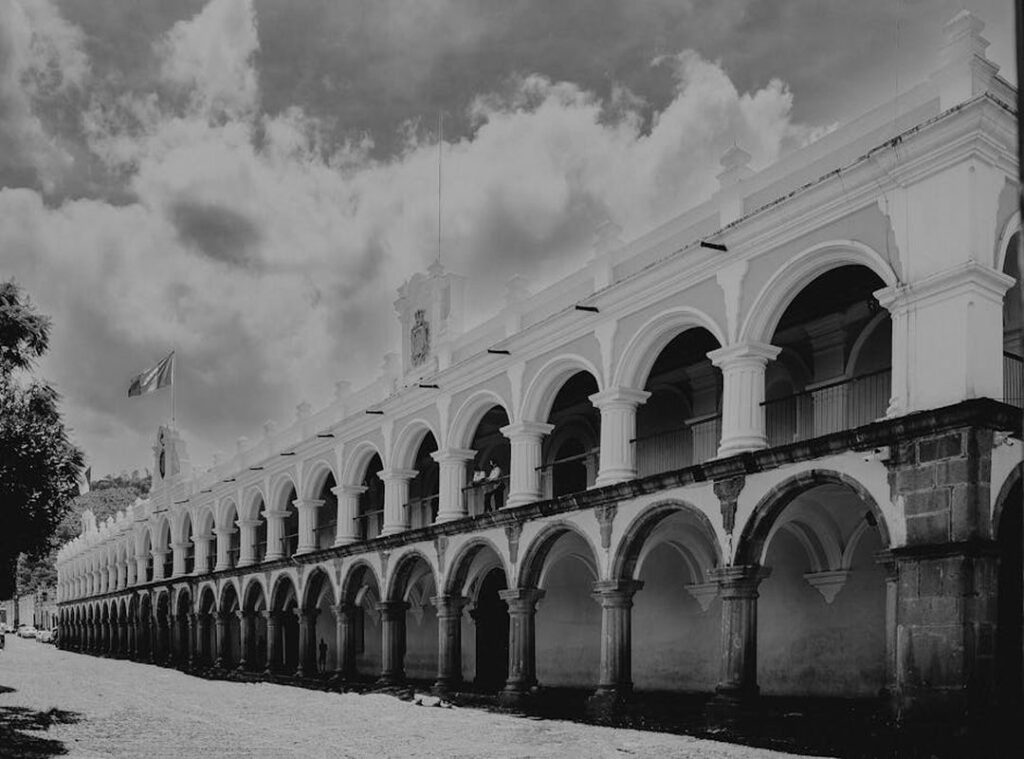
When you think about historical photographs, Tartaria might not be the first place that comes to mind. But it should be. tartaria fotos antiguas offer a unique and often overlooked glimpse into a rich and complex past.
These images aren’t just old pictures; they’re a visual narrative of a culture and history that many people know little about. Why does this matter? Because understanding our past helps us make sense of the present.
This article is here to change that. We’ve done the research, gathered the photos, and put together a comprehensive overview. You’ll see why these photographs are so important and what they can teach us.
So, let’s dive in. What do you think you’ll discover?
The Historical Context of Tartaria
Tartaria, a region with a rich and complex history, spans across parts of Eastern Europe and Central Asia. Its cultural background is a blend of various ethnic groups, each contributing to a unique tapestry of traditions and customs.
- Geographically, it includes areas like the Balkans, the Caucasus, and parts of Russia.
- Culturally, it’s known for its diverse languages, religions, and historical influences.
Let’s dive into the key events that shaped Tartaria’s history:
- 13th Century: The Mongol invasions brought significant changes, altering the political and social structures.
- 15th-16th Centuries: The rise of the Ottoman Empire led to the incorporation of many Tartarian regions, influencing their culture and governance.
- 18th-19th Centuries: Russian expansion saw the annexation of several Tartarian territories, leading to further cultural and administrative changes.
- 20th Century: The Soviet era brought modernization and industrialization but also suppression of local cultures and traditions.
tartaria fotos antiguas offer a glimpse into this rich and varied past, providing visual evidence of the region’s transformation over the centuries. These images are not just historical artifacts; they are a testament to the resilience and adaptability of the people who lived through these times.
Understanding this historical context is crucial for appreciating the depth and complexity of Tartaria’s heritage.
Early Photography in Tartaria (1850-1900)
The Emergence of Photography
Photography hit Tartaria around the mid-19th century. It was a big deal. People were fascinated by this new way to capture moments.
The first cameras were bulky and complicated. But that didn’t stop enthusiasts from giving it a try. They saw the potential in documenting their world.
Key Photographers
Some photographers stood out. Ivan Petrov, for example, captured stunning landscapes. His work showed the beauty of Tartaria’s countryside.
Another notable figure was Elena Vasquez. She focused on portraits. Her images gave us a glimpse into the lives of Tartarians during that time.
Techniques and Equipment
The early photographers used wet plate collodion processes. It was a tedious method. You had to coat the plate with chemicals right before taking the shot.
Then, you had to develop it quickly.
The equipment was heavy and not very portable. Tripods were essential. Exposure times were long, so subjects had to stay still.
Tartaria fotos antiguas are a testament to the skill and patience of these early photographers. They managed to create lasting images despite the challenges.
If you’re interested in early photography, here’s a quick tip: Look for old photographs in local archives. You might find some amazing shots and learn more about the techniques used.
Photographs from the Late 19th Century (1870-1900)
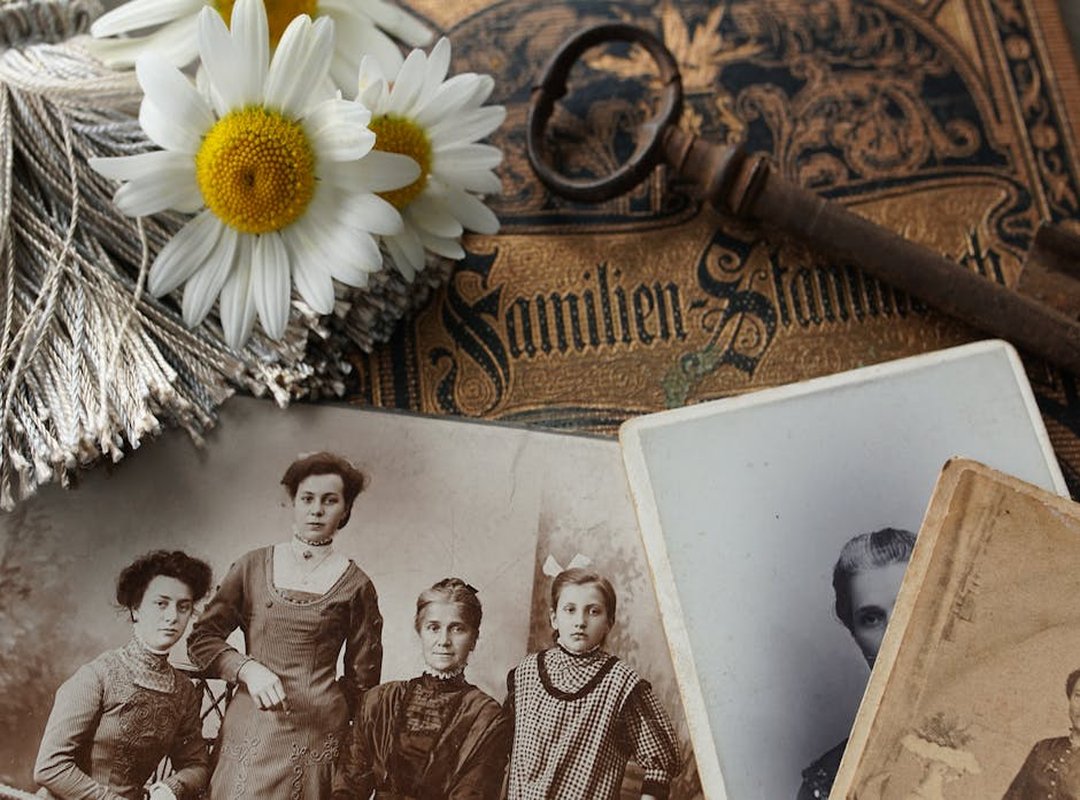
Urban Landscapes: Showcase photographs of Tartaria’s cities and towns, highlighting architectural styles and urban development. These images give us a glimpse into the past, showing how our ancestors lived and built their communities.
Rural Life: Present images of rural areas, including agricultural practices, village life, and traditional customs. tartaria fotos antiguas provide a vivid picture of daily life in the countryside, where people worked the land and maintained close-knit communities.
Social and Cultural Events: Include photographs of significant social and cultural events, such as festivals, markets, and religious ceremonies. These photos capture the essence of community and tradition, showing how people celebrated and honored their heritage.
It’s important to note that while these photographs offer a window into the past, they don’t tell the whole story. Some details are lost to time, and the context behind certain scenes can be unclear. Acknowledging this uncertainty helps us appreciate the complexity of history.
If you’re a busy parent looking for ways to manage your time better, check out time management hacks for busy parents.
Photographs from the Early 20th Century (1900-1930)
The early 20th century was a time of immense change. Industrialization and modernization transformed the world.
New factories, transportation, and infrastructure sprang up everywhere. These changes were not just physical; they reshaped how people lived and worked.
Fashion, for instance, saw a dramatic shift. Women’s clothing became more practical, reflecting their growing roles in the workforce. Men’s fashion also evolved, moving towards more comfortable and functional styles.
Education became more accessible. Schools and universities expanded, and literacy rates rose. This had a profound impact on society, fostering a more informed and engaged public.
Daily life changed too. People moved from rural areas to cities, seeking better opportunities. Urban living brought new challenges and conveniences.
Photographs from this era, like those found in tartaria fotos antiguas, capture these transformations vividly. They show the bustling streets, the new modes of transport, and the evolving social norms.
Political and social movements also left their mark. Protests, strikes, and other forms of activism were common. These movements pushed for labor rights, women’s suffrage, and racial equality.
Photographs of these events provide a window into the struggles and triumphs of the time. They remind us of the power of collective action and the importance of standing up for what you believe in.
In short, the early 20th century was a period of rapid and significant change. Photographs from this era offer a unique glimpse into a transformative time in history.
The Enduring Legacy of Tartaria’s Historical Photographs
The article delves into the rich tapestry of tartaria fotos antiguas, spanning several key periods and themes. These images capture the essence of daily life, cultural practices, and significant events. They serve as a visual narrative, offering a glimpse into the past that is both intimate and profound.
These photographs are not just static images; they are dynamic windows into the history of Tartaria. By examining them, we can better understand the social, economic, and cultural transformations that have shaped the region. Each photograph tells a story, preserving the memories and experiences of those who lived through these times.
Preserving and exploring tartaria fotos antiguas is crucial. They are a vital part of our shared cultural heritage, connecting us to our roots and providing a tangible link to the past.